**Úvodník** V sobotu 20. března se v rámci Mezinárodního dne jeskyní a krasu UNESCO konaly akce v Malužinské jeskyni a v bance Zubaustollen, doplněné o novou expozici o jeskynnictví a těžbě. V následujících dnech proběhne jarní výprava do Slovinska 2026 a připravuje se letní program jeskynního léta 2026, včetně účasti na Petrbokově memoriálu. Správa slovenských jeskyní zve návštěvníky Demänovské jeskyně Svobody k dalšímu prohlídce a zveřejnila aktuální fotodokumentaci.
Slovenska Speleologická S
**Úvodník** V sobotu 20. března se v rámci Mezinárodního dne jeskyní a krasu UNESCO konaly akce v Malužinské jeskyni a v bance Zubaustollen, doplněné o novou expozici o jeskynnictví a těžbě. V následujících dnech proběhne jarní výprava do Slovinska 2026 a připravuje se letní program jeskynního léta 2026, včetně účasti na Petrbokově memoriálu. Správa slovenských jeskyní zve návštěvníky Demänovské jeskyně Svobody k dalšímu prohlídce a zveřejnila aktuální fotodokumentaci.
Pred návštevou Malužinskej jaskyne a bane Zubaustollen si môžete pozrieť aj takúto peknú expozíciu o jaskyniarstve a baníctve v Bocianskej a Malužinskej doline. Ale aj s plazivkou pre deti a úžinou pre dospelých smerom do ,,Modrej jaskyne,,
(Feed generated with FetchRSS)
Pred návštevou Malužinskej jaskyne a bane Zubaustollen si môžete pozrieť aj takúto peknú expozíciu o jaskyniarstve a baníctve v Bocianskej a Malužinskej doline. Ale aj s plazivkou pre deti a úžinou pre dospelých smerom do ,,Modrej jaskyne,,
Vážení návštevníci Demänovskej jaskyne slobody. Z dôvodu opráv elektrického vedenia v Demänovskej doline bude v piatok 12.6.2026 posledný vstup do jaskyne o 14:00 hodine. Prerušenie dodávky elektrickej energie od SSD môže spôsobiť výpadky technológií aj pri ranných vstupoch 11. a 12.6.2026. Situáciu priebežne monitorujeme a prijímame operatívne opatrenia na zabezpečenie plynulej prevádzky jaskyne.
(Feed generated with FetchRSS)
Vážení návštevníci Demänovskej jaskyne slobody. Z dôvodu opráv elektrického vedenia v Demänovskej doline bude v piatok 12.6.2026 posledný vstup do jaskyne o 14:00 hodine. Prerušenie dodávky elektrickej energie od SSD môže spôsobiť výpadky technológií aj pri ranných vstupoch 11. a 12.6.2026. Situáciu priebežne monitorujeme a prijímame operatívne opatrenia na zabezpečenie plynulej prevádzky jaskyne.
TIPY NA ŠKOLSKÝ VÝLET V JASKYNIACH PRE NAJMENŠÍCH
Jún sa v našich jaskyniach nesie v najmä v duchu koncoročných školských výletov či škôl v prírode. Keďže výber vhodných exkurzii do podzemia pre najmenších žiačikov môže učiteľský zbor aj trochu potrápiť, predstavíme vám najvhodnejšie jaskyne pre žiakov prvého stupňa s nenáročnou prehliadkovou trasou, ktorú by MALI všetci zvládnuť bez väčšej fyzickej či psychickej ujmy (vrátane pani učiteliek).
Jaskyňa Driny, jediná na Západnom Slovensku s labyr
TIPY NA ŠKOLSKÝ VÝLET V JASKYNIACH PRE NAJMENŠÍCH
Jún sa v našich jaskyniach nesie v najmä v duchu koncoročných školských výletov či škôl v prírode. Keďže výber vhodných exkurzii do podzemia pre najmenších žiačikov môže učiteľský zbor aj trochu potrápiť, predstavíme vám najvhodnejšie jaskyne pre žiakov prvého stupňa s nenáročnou prehliadkovou trasou, ktorú by MALI všetci zvládnuť bez väčšej fyzickej či psychickej ujmy (vrátane pani učiteliek).
Jaskyňa Driny, jediná na Západnom Slovensku s labyrintom puklinových chodieb a výzdobou s typickými „zubatými sloními ušami“.
Važecká jaskyňa na Hornom Liptove s mimoriadne bohatou výzdobou je zároveň náleziskom kostí (nie len) jaskynných medveďov, ktoré spolu so sochou tohto obra z čias dôb ľadových uvidíte priamo v jaskyni.
Bystrianska jaskyňa južne pod Ďumbierom neďaleko Brezna je významným zimoviskom netopierov. Dominantné sú vysoké puklinové chodby s pozoruhodnými tvarmi a výzdobou s charakteristickými baldachýnmi. Zaujme aj pozoruhodnou a pohnutou históriou.
Ochtinská aragonitová jaskyňa je svetový unikát v Revúckej vrchovine Slovenského rudohoria. Vytvorená je v prvohorných mramoroch a ankeritoch, vďaka čomu jej steny hrajú rozmanitými, v jaskyniach nevídanými farbami. Zdobia ju krásne kryštály aragonitu, aké by sme inde hľadali len ťažko.
Gombasecká jaskyňa neďaleko Rožňavy s vchodom nad Čiernou vyvieračkou, do ktorej priteká voda až zo Silickej ľadnice je charakteristická mimoriadne pestrou a farebnou výzdobou, ktorej kraľujú unikátne tenulinké jaskynné brká s dĺžkou až 3m.
Domica v Slovenskom krase na maďarskej hranici je spolu s maďarskou Baradlou súčasťou viac než 30 km jaskynného systému. Mohutné riečne chodby s veľmi bohatou výzdobou a s podzemnou riečkou Styx boli v mladšej dobe kamennej domovom pravekých roľníkov a dodnes domovom vzácnych jaskynných živočíchov.
Zaujímajú ťa jaskyne? Pridaj sa na jaskyniarske leto 2026
Ak máš aspoň 12 rokov, dobrodružnú povahu a záujem spoznávať jaskyne a prácu v podzemí, prihlás sa do jaskyniarskeho krúžku pod vedením skúsených jaskyniarov.
Počas letných prázdnin ťa čakajú celodenné jaskyniarske aktivity, pri ktorých budeme spoločne skúmať a objavovať podzemie.
Termíny jaskyniarskych akcií
Jaskyniarske akcie sa počas letných prázdnin budú konať v týchto termínoch:
14. júla 2026
21.
Čítaj ďalej Jaskyniarske leto 2026
Zaujímajú ťa jaskyne? Pridaj sa na jaskyniarske leto 2026
Ak máš aspoň 12 rokov, dobrodružnú povahu a záujem spoznávať jaskyne a prácu v podzemí, prihlás sa do jaskyniarskeho krúžku pod vedením skúsených jaskyniarov.
Počas letných prázdnin ťa čakajú celodenné jaskyniarske aktivity, pri ktorých budeme spoločne skúmať a objavovať podzemie.
Termíny jaskyniarskych akcií
Jaskyniarske akcie sa počas letných prázdnin budú konať v týchto termínoch:
V uplynulých dňoch sme zaznamenali úmrtie Ing. Ludmily Ondruchovej (1971‑2026), oslavovali sme Jarmilu Jirmerovú z Brezna a prijali sme usmernenie Ministerstva kultúry o ochrane archeologického dedičstva v jaskyniach. Therion Studio predstavuje novú generáciu editora pre jaskynné mapovanie, zatiaľ čo dokumentačné práce na „Križovej jaskyni“ pokračujú pod vedením Českej speleologickej spoločnosti. V sekcii fotiek nájdete aktuálne snímky zo Slovenského múzea ochrany prírody a jaskyniarstva, Správy
V uplynulých dňoch sme zaznamenali úmrtie Ing. Ludmily Ondruchovej (1971‑2026), oslavovali sme Jarmilu Jirmerovú z Brezna a prijali sme usmernenie Ministerstva kultúry o ochrane archeologického dedičstva v jaskyniach. Therion Studio predstavuje novú generáciu editora pre jaskynné mapovanie, zatiaľ čo dokumentačné práce na „Križovej jaskyni“ pokračujú pod vedením Českej speleologickej spoločnosti. V sekcii fotiek nájdete aktuálne snímky zo Slovenského múzea ochrany prírody a jaskyniarstva, Správy slovenských jaskýň a Jeskyní ČR.
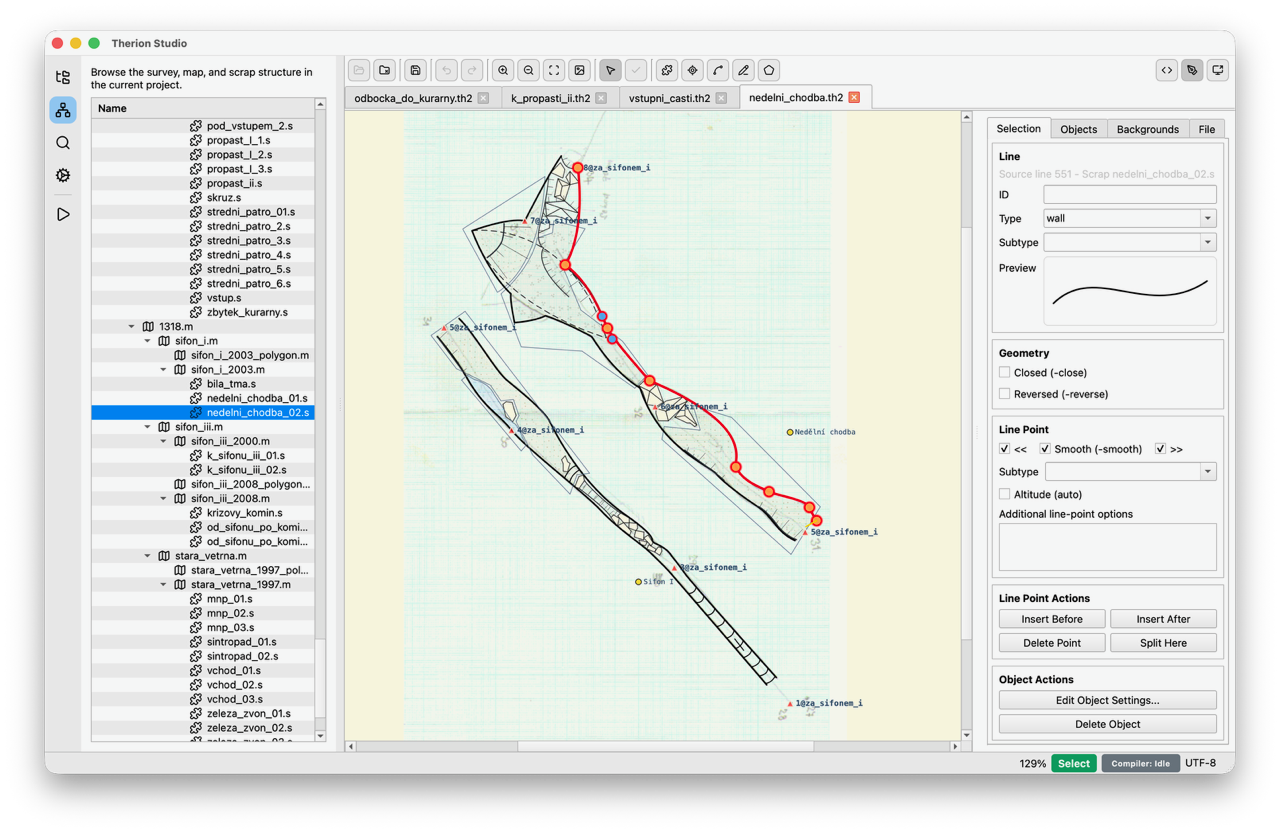
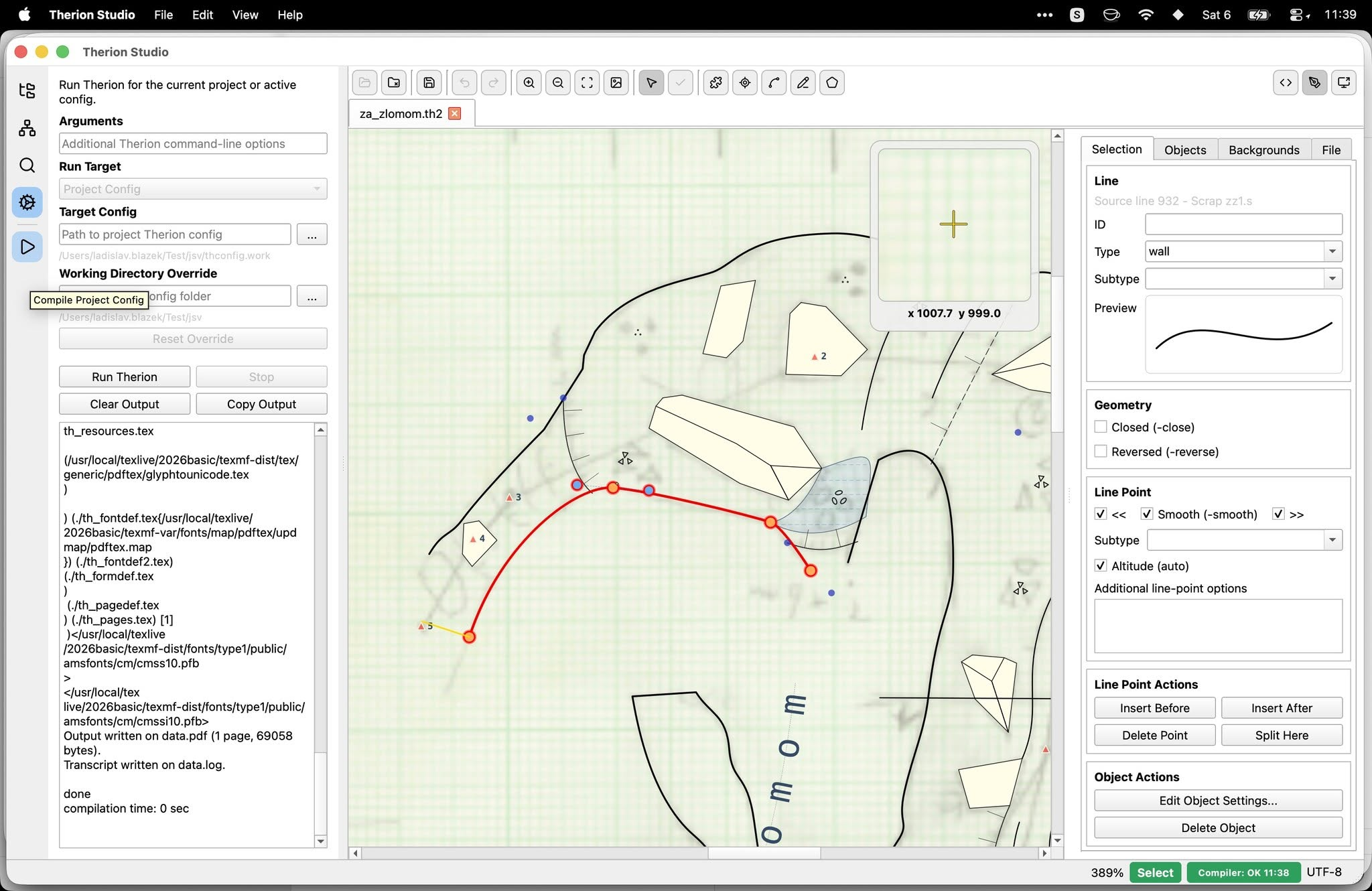
Moderný nástroj pre používateľov TherionuKomunita jaskyniarov a mapovačov, ktorá využíva softvér Therion na spracovanie jaskynných meraní a tvorbu máp, sa dočkala zaujímavej novinky. Vývojár Ladislav B. predstavil projekt Therion Studio, nový multiplatformový editor určený pre prácu s projektmi Therion.Projekt vznikol pôvodne ako snaha vytvoriť modernejšie grafické rozhranie pre používateľov macOS, kde tradičný nástroj XTherion dlhodobo narážal na rôzne obmedzenia súvisiace s technológiami Tcl/T
Komunita jaskyniarov a mapovačov, ktorá využíva softvér Therion na spracovanie jaskynných meraní a tvorbu máp, sa dočkala zaujímavej novinky. Vývojár Ladislav B. predstavil projekt Therion Studio, nový multiplatformový editor určený pre prácu s projektmi Therion.
Projekt vznikol pôvodne ako snaha vytvoriť modernejšie grafické rozhranie pre používateľov macOS, kde tradičný nástroj XTherion dlhodobo narážal na rôzne obmedzenia súvisiace s technológiami Tcl/Tk a BWidgets. Počas vývoja sa však z jednoduchého editoru stal plnohodnotný multiplatformový nástroj dostupný pre Windows, Linux aj macOS.
Therion zostáva základom
Dôležité je zdôrazniť, že Therion Studio nenahrádza samotný Therion. Stále ide o osvedčený a výkonný systém vyvíjaný Martinom Budajom a Stachom Mudrákom, ktorý tvorí základ mnohých mapovacích projektov po celom svete.
Therion Studio funguje ako moderné pracovné prostredie nad existujúcim ekosystémom:
kompiláciu dát naďalej zabezpečuje Therion,
zdrojové súbory zostávajú kompatibilné,
jazyk Therion sa nemení,
3D modely sa naďalej zobrazujú v programe Loch.
Pre skúsených používateľov to znamená zachovanie zaužívaného pracovného postupu, pričom získajú komfortnejšie prostredie na každodennú prácu.
Čo prináša Therion Studio?
Najväčším rozdielom oproti XTherionu je moderné používateľské rozhranie a orientácia na pohodlnú prácu s rozsiahlejšími projektmi.
Medzi hlavné funkcie patria:
Tabbed Workspace
Práca v kartách umožňuje súčasne zobrazovať:
zdrojový text,
blokovo orientovanú editáciu,
vizuálny editor mapy.
Všetky pohľady sú navzájom synchronizované.
Inteligentná editácia
Editor ponúka:
zvýrazňovanie syntaxe,
automatické dopĺňanie príkazov,
kontrolu správnosti zápisu,
kontextovú pomoc generovanú priamo z dokumentácie Therion Book.
Navigácia v projekte
Bočný panel zobrazuje štruktúru projektu vrátane:
survey blokov,
máp,
scrapov,
diagnostických hlásení.
Pri rozsiahlych projektoch ide o výrazné zjednodušenie orientácie.
Globálne vyhľadávanie
Možnosť vyhľadávať naprieč celým projektom šetrí čas najmä pri úpravách väčších jaskynných systémov.
Vizuálny editor máp
Jednou z najzaujímavejších noviniek je takmer WYSIWYG editor mapy, ktorý umožňuje vizuálnu prácu s objektmi a ich štýlmi. Niektoré štýly sa ešte pripravujú, no základná funkcionalita je už dostupná.
Práca na viacerých monitoroch
Therion Studio podporuje paralelnú prácu vo viacerých oknách, takže na jednom monitore môže byť otvorený zdrojový kód a na druhom vizuálna mapa.
Integrovaný kompilátor
Kompiláciu Therion projektov je možné spúšťať priamo z prostredia aplikácie vrátane prehľadu výstupov a chybových hlásení.
Technológie a vývoj
Program je napísaný v jazyku C++ s využitím frameworku Qt, čo zabezpečuje natívny vzhľad a dobrú podporu na všetkých hlavných desktopových platformách.
Zaujímavosťou je, že autor pri implementácii využíval aj nástroj OpenAI Codex, ktorý pomohol urýchliť vývoj jednotlivých častí aplikácie.
Prvá verejná verzia
Aktuálne vydanie predstavuje prvú verejnú verziu zameranú na každodennú prácu s Therion projektmi. Ako pri každom novom projekte, aj tu možno očakávať drobné chyby alebo chýbajúce funkcie, no základný pracovný rámec je už pripravený na reálne použitie.
Autor preto vyzýva komunitu jaskyniarov, aby aplikáciu otestovala na vlastných dátach a poskytla spätnú väzbu, hlásenia chýb či návrhy na nové funkcie.
Therion patrí už desaťročia medzi najvýkonnejšie nástroje na tvorbu jaskynných máp. Napriek tomu jeho používateľské rozhranie bolo pre nových používateľov často prekážkou. Therion Studio predstavuje zaujímavý krok smerom k modernejšiemu a intuitívnejšiemu prostrediu bez toho, aby bolo potrebné meniť osvedčené pracovné postupy.
Pre mapovačov využívajúcich Therion môže ísť o jednu z najvýznamnejších noviniek posledných rokov.
V jaskyniarskej komunite je málo ľudí, ktorí rozdávali dobro a pomáhali riešiť zapeklité kartografické a prolongačné problémy. Lída už nie je medzi nami a tá správa zarmútila všetkých, čo sme ju poznali… Čítaj ďalej...
Zdroj: Spomíname na Lídu – Ing. Ludmila Ondrouchová (1971–2026)
V jaskyniarskej komunite je málo ľudí, ktorí rozdávali dobro a pomáhali riešiť zapeklité kartografické a prolongačné problémy. Lída už nie je medzi nami a tá správa zarmútila všetkých, čo sme ju poznali… Čítaj ďalej...
DEŇ DETÍ A JASKÝŇ VO VAŽECKEJ JASKYNI
Pri príležitosti Dňa detí aj Dňa jaskýň a podzemného sveta, ktorý pripadá na 6. júna (vyhlásený Medzinárodnou asociáciou sprístupnených jaskýň) sme vo Važeckej jaskyni uskutočnili podujatie pre malých aj veľkých žiakov. Okrem tematických exkurzii v jaskyni, kde sme si predstavili najvýznamnejšie hodnoty nášho podzemného sveta, čakalo na účastníkov množstvo súťaží a aktivít v areáli jaskyne. Účasť bola hojná, decká spokojné. A my dúfame, že si okrem zážitkov
Pri príležitosti Dňa detí aj Dňa jaskýň a podzemného sveta, ktorý pripadá na 6. júna (vyhlásený Medzinárodnou asociáciou sprístupnených jaskýň) sme vo Važeckej jaskyni uskutočnili podujatie pre malých aj veľkých žiakov. Okrem tematických exkurzii v jaskyni, kde sme si predstavili najvýznamnejšie hodnoty nášho podzemného sveta, čakalo na účastníkov množstvo súťaží a aktivít v areáli jaskyne. Účasť bola hojná, decká spokojné. A my dúfame, že si okrem zážitkov odniesli aj nové poznatky.
V poslednom týždni sa speleologickí výskumníci zamerali na tri hlavné udalosti: v jaskyni Na Ihrisku bol stabilizovaný veľký blok a objavený nový druh živočíchov, v doline Hodruša sa dokumentovalo historické miesto bývalej baníckej osady Široká, a na Jeseníku sa 30. apríla očakáva opätovné otvorenie jaskyne Na Špičáku. Správa slovenských a českých jaskýň poskytla k týmto správam fotografickú dokumentáciu. V sprievodnom článku nájdete prehľad požadovaných zručností a vedomostí pre speleológov.
Sk
V poslednom týždni sa speleologickí výskumníci zamerali na tri hlavné udalosti: v jaskyni Na Ihrisku bol stabilizovaný veľký blok a objavený nový druh živočíchov, v doline Hodruša sa dokumentovalo historické miesto bývalej baníckej osady Široká, a na Jeseníku sa 30. apríla očakáva opätovné otvorenie jaskyne Na Špičáku. Správa slovenských a českých jaskýň poskytla k týmto správam fotografickú dokumentáciu. V sprievodnom článku nájdete prehľad požadovaných zručností a vedomostí pre speleológov.
Dolina Hodruša, 11 km od dediny Malužiná, miesto kde takmer 200 rokov stala banícka osada Široká. V pozadí mierne vľavo Veľký Bok.
(Feed generated with FetchRSS)
EXKURZIE V PODZEMÍ PRI PRÍLEŽITOSTI ENVIRONMENTÁLNYCH DNÍ
Koniec zimy a jar sú obdobím pred vypuknutím hlavnej sezóny, počas ktorého realizujeme série tematických exkurzii, ale aj prednášok pri príležitosti rozličných environmentálnych dní, ako Deň mokradí, Deň vody a najme Deň Zeme. Viaceré tematické exkurzie sme tohto roku uskutočnili najmä v Demänovských jaskyniach, Jasovskej jaskyni a v Domici. Podujatí sa zúčastnili rozličné cieľové skupiny. Od tých najmenších, ktorí sa ponorili do sveta p
EXKURZIE V PODZEMÍ PRI PRÍLEŽITOSTI ENVIRONMENTÁLNYCH DNÍ
Koniec zimy a jar sú obdobím pred vypuknutím hlavnej sezóny, počas ktorého realizujeme série tematických exkurzii, ale aj prednášok pri príležitosti rozličných environmentálnych dní, ako Deň mokradí, Deň vody a najme Deň Zeme. Viaceré tematické exkurzie sme tohto roku uskutočnili najmä v Demänovských jaskyniach, Jasovskej jaskyni a v Domici. Podujatí sa zúčastnili rozličné cieľové skupiny. Od tých najmenších, ktorí sa ponorili do sveta povestí o jaskyniach a poznávali ich obyvateľov až po študentov vysokých škôl – budúcich prírodovedcov a učiteľov, ktorí si osvojené poznatky preverili v teréne, kde poznávali jednotlivé zložky jaskynných geosystémov. Veríme, že aj tieto podujatia prispeli k poznávaniu krás a hodnôt našej prírody.
MONITORING RADÓNU SO SLOVENSKOU AKADÉMIOU VIED
Správa slovenských jaskýň spolupracuje s viacerými vedeckými inštitúciami. Jednou z nich je Ústav vied o Zemi Slovenskej akadémie vied. V rámci projektu zameraného na výskum objemovej aktivity radónu v podzemných priestoroch sprístupnených jaskýň, ktorého spoluriešiteľom je aj Fakulta elektrotechniky a informatiky Slovenskej technickej univerzity v Bratislave, prebieha od roku 2025 monitoring radónu v Belianskej jaskyni, Bystrianskej jaskyni, Malej
MONITORING RADÓNU SO SLOVENSKOU AKADÉMIOU VIED
Správa slovenských jaskýň spolupracuje s viacerými vedeckými inštitúciami. Jednou z nich je Ústav vied o Zemi Slovenskej akadémie vied. V rámci projektu zameraného na výskum objemovej aktivity radónu v podzemných priestoroch sprístupnených jaskýň, ktorého spoluriešiteľom je aj Fakulta elektrotechniky a informatiky Slovenskej technickej univerzity v Bratislave, prebieha od roku 2025 monitoring radónu v Belianskej jaskyni, Bystrianskej jaskyni, Malej Stanišovskej jaskyni a v jaskyni Driny. Merania prebiehajú pomocou stopových aj kontinuálnych detektorov, ktoré sú uložené na vybraných miestach pozdĺž prehliadkovej trasy. Výstupom bude návrh sezónnych korekčných faktorov, ktoré umožňujú odhadnúť priemernú ročnú objemovú aktivitu radónu a napomôžu vypočítavaniu radiačnej dávky, ktorú dostanú sprievodcovia.
✍️ Slovo editora
Letná turistická sezóna sa rozbieha naplno a prináša množstvo príležitostí na objavovanie krás našej prírody i kultúry. Správa slovenských jaskýň pripomína fascinujúce podzemné priestory, ktoré čakajú na vašu návštevu, zatiaľ čo v Česku môžete nielen objavovať sprístupnené jaskyne, ale aj získať hodnotné ceny v súťažiach. Ak uprednostňujete kultúrne zážitky, pozrite sa, kam vyraziť v nadchádzajúcom víkende. Prinášame v
Letná turistická sezóna sa rozbieha naplno a prináša množstvo príležitostí na objavovanie krás našej prírody i kultúry. Správa slovenských jaskýň pripomína fascinujúce podzemné priestory, ktoré čakajú na vašu návštevu, zatiaľ čo v Česku môžete nielen objavovať sprístupnené jaskyne, ale aj získať hodnotné ceny v súťažiach. Ak uprednostňujete kultúrne zážitky, pozrite sa, kam vyraziť v nadchádzajúcom víkende. Prinášame vám prehľad najzaujímavejších možností, ako aktívne a pútavo stráviť najbližšie dni.
OPLATÍ SA NAVŠTÍVIŤ DEMÄNOVSKÚ ĽADOVÚ JASKYŇU?
Táto oddávna známa jaskyňa je súčasťou Demänovského jaskynného systému, ktorý je s dĺžkou viac než 50 km najdlhším v Karpatoch. Poznal ju už Matej Bel, ktorý ju spomína v prvej časti svojho monumentálneho historicko-geografického diela v r. 1723. Okrem unikátnej mapy, ktorej autorom je Belov spolupracovník Georg Buchholtz, obsahuje aj náčrt dračej kostry... Práve Demänovská ľadovka bola a stále je jedinečným náleziskom „dračích“ kostí, ktoré v Belo
Táto oddávna známa jaskyňa je súčasťou Demänovského jaskynného systému, ktorý je s dĺžkou viac než 50 km najdlhším v Karpatoch. Poznal ju už Matej Bel, ktorý ju spomína v prvej časti svojho monumentálneho historicko-geografického diela v r. 1723. Okrem unikátnej mapy, ktorej autorom je Belov spolupracovník Georg Buchholtz, obsahuje aj náčrt dračej kostry... Práve Demänovská ľadovka bola a stále je jedinečným náleziskom „dračích“ kostí, ktoré v Belových časoch miestni odvážlivci zbierali pre ich nesporné liečivé účinky. Dnes už vieme, že „dračie“ kosti patria jaskynným medveďom, z ktorých posledné vyhynuli pred asi 24 000 rokmi. Jedna taká kostra „kráčajúceho draka“ tam na návštevníkov čaká.
Impozantné podzemné siene sú charakteristické akousi ponurou atmosférou (ideálny dračí brloh). K tomu iste prispieva aj časté čierne sfarbenie stien, stropov či výzdoby, čo spôsobili sadze z fakiel či dávnych požiarov. Túto bývalú vyvieračku Demänovky zdobia mohutné sitnrové stĺpy, či vysoké klenby. Časť stien je pokrytá stáročnými podpismi niekdajších návštevníkov. Hoci bez ľadu, je to krásna ukážka demänovského podzemia.
K DOČASNEJ UZÁVERE ZBOJNÍCKEJ JASKYNE V BORINSKOM KRASE
Malokarpatská Zbojnícka jaskyňa neďaleko obce Borinka s dĺžkou 125 m je vytvorená vodami bývalého podzemného toku na tektonických puklinách v masíve borinských vápencov. Charakteristické rúrovité priestory významne poznamenali rútivé procesy. Hoci sa nemôže pýšiť bohatou výzdobou, je veľmi významnou lokalitou najmä z geomorfologického a biospeleologického hľadiska. Bolo tu zaznamenaných až 12 druhov zimujúcich netopierov. Rovnako tu boli z
K DOČASNEJ UZÁVERE ZBOJNÍCKEJ JASKYNE V BORINSKOM KRASE
Malokarpatská Zbojnícka jaskyňa neďaleko obce Borinka s dĺžkou 125 m je vytvorená vodami bývalého podzemného toku na tektonických puklinách v masíve borinských vápencov. Charakteristické rúrovité priestory významne poznamenali rútivé procesy. Hoci sa nemôže pýšiť bohatou výzdobou, je veľmi významnou lokalitou najmä z geomorfologického a biospeleologického hľadiska. Bolo tu zaznamenaných až 12 druhov zimujúcich netopierov. Rovnako tu boli zistení zástupcovia drobnej terestrickej fauny, ktorých druhové zloženie je v súčasnosti predmetom biospeleologického výskumu.
Jaskyňa patrí medzi verejnosti voľne prístupné jaskyne, kde sporadická návštevnosť nepredpokladá možné ohrozenie jej prírodných hodnôt ani bezpečnosti návštevníkov. Predbežné výsledky biospeleologického výskumu však naznačujú, že jaskyňa je citlivým habitátom vzácnej terestrickej jaskynnej fauny. Preto sme pristúpili k dočasnému obmedzeniu jej návštevnosti.

 Prihlásiť